Pages

Monday, February 13, 2023

Valentine's Day Rigor


Valentine's Day is a favorite holiday for the kids, not so much for teachers. :) Sugared up, excited students make it hard to get anything done.

Here are some ways to incorporate higher level thinking skills in your Valentine's Day activities.

1) S.C.A.M.P.E.R.-if you are not familiar with it, SCAMPER is an acronym: Substitute, Combine, Adapt, Modify, Put to Another Use, Reverse

How can we do this with Valentine's Day-a new use for an envelope, make the heart shape into something new. Combine Valentine's Day with another holiday-what does that look like-heart shaped jack-o-lanterns for example. Adapt Valentine's Day celebrations for cities with no mail or a celebration at the beach.

Depth and Complexity:

Rules for Valentine's Day-what is always true?

Trends-valentines haven't changed much over the years-do some research together and analyze those trends.

Multiple Perspectives: What is like to be a valentine-how does it feel, what would you see, what would you wish?

Ethics: Is it right to celebrate Valentine's Day even though everyone is not celebrated?

This is a great read aloud to start a discussion:


Tuesday, February 7, 2023

Painting Jazz

Our students have no music class this year. :( So I have been trying to pick up the slack and teach them about some music concepts in the classroom.

We discuss learn about jazz artists and then listen to various songs. As we listen the students paint what jazz music makes us think of.  An exercise in creativity across disciplines-art, music and writing.


Sunday, February 5, 2023

Divergent Heart Art


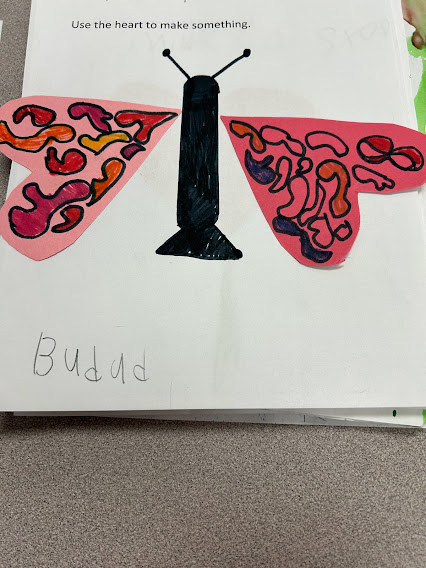
One of the ways I assess growth in creativity throughout the year is divergent art. Giving a student a shape and asking them to turn it into something. This is what they made with their hearts:
sign


Saturday, January 14, 2023

My Favorite Wordless Books

Wordless books can be misunderstood. I've had parents tell me that book was too easy for them because it has no words-but I think it makes it more challenging to have to make inferences on each page at each step of the plot. The past few years we have seen some very deep, challenging themes depicted in wordless books.

These are my favorites:


Cute story about Daisy who is obsessed with her ball.


Love this clever book about taking risks and leaving the nest.


A story about kindness and selflessness.


A new student is bullied so another student makes a plan to help them. Great example of what community can do to protect others.


Beautifully written story about overcoming your fears.


Classic story depicting a problem and a solution.


Little girl finds a magical red crayon that brings to life everything she draws. Author uses color to propel the story.


A fox takes a little girl's stuffed fox and adventure ensues.

I like to read these books over the course of a week, analyze them with the students. It's teaching them about a new genre of books they did not realize existed. They get excited to find and read other books. One of my students who struggles with reading said "I can even read this book". 


Thursday, January 12, 2023

Our Own Pigeon Stories


My students LOVE the Pigeon books by Mo Willems! My theory is not only does the Pigeon act like them they are books that are easy for young students to read and reread.

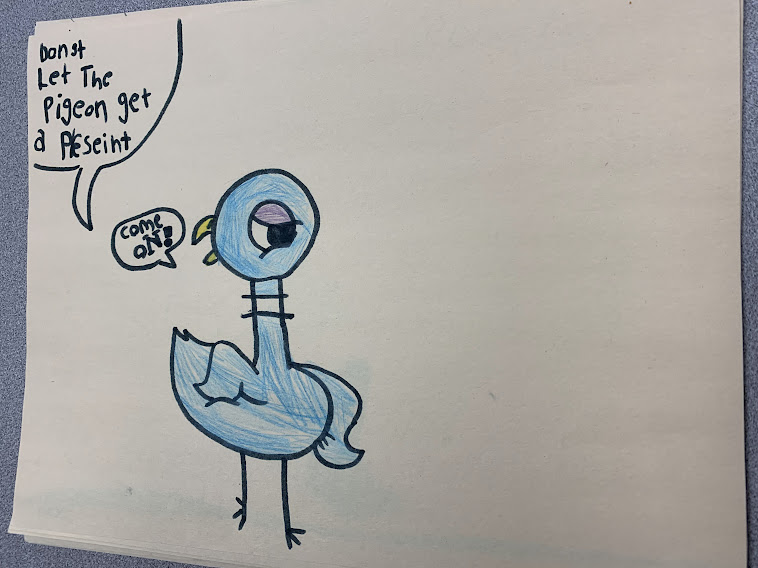
So we read the books, we identify the rules for the Pigeon and then I ask the students to create their own Pigeon stories. You can definitely see the way our techonological age is reflected in their answers. 


Sunday, January 8, 2023

Depth and Complexity and Edward Tulane

My favorite part of the day is our chapter read-aloud. We do it at the end of the day and if I choose the right book for the right class they hang on every word. They develop a relationship with the characters and we are able to do reading response activities. 

This is one of my favorites for applying Kaplan's Depth and Complexity. 


Over Time: this character has a major transformation over time. He is narcissistic and selfish in the beginning and well, I won't do any spoilers-but he majorly changes. 


Multiple Perspectives: 

1) How did each of the characters see Edward-compare.

2) Write a letter from Edward to Pellegrina or from Abilene to Edward, etc. 

3) If I were Edward, I would....


Big Idea: Huge Big Idea as the theme of this story. Should you love even if there's a chance you will 
                                                                                          lose them and have a broken heart.

Was Edward Brave?


Thursday, January 5, 2023

Depth and Complexity-Rules

This concept from Kaplan's Depth and Complexity is a hard one to implement with young students. Rules to them means "don't run in the hall". Rules with this concept from depth and complexity means more "what is always true". I introduce this by talking about cars. What is always true about cars? We make a list.

You can use this to identify what is always true about non-fiction books, Eric Carle books, the number 10, adding, plants, rain, etc.

Here is an example for our Mo Willems author study. We read the Pigeon books over the course of a week. What is always true about the Pigeon? This is hard for them-you can see some students focused on one book-he wanted to drive the bus or he didn't want a bath. The goal is to get them to think about all the books and identify what is the same-what is always true?

Here are some examples from the Pigeon unit:


He likes to change his mind.


The Pigeon persuades us.


always wants something


he is so crazy


He does not wear clothes.